
History
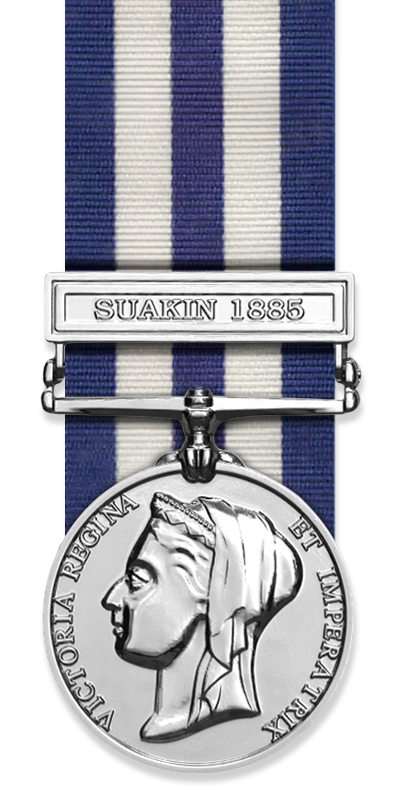
The Egypt Medal was awarded for the campaigns of the British Army and Royal Navy in the 1882 Anglo-Egyptian War and in the Sudan between 1884 and 1889, the wars that followed Britain's intervention to protect the Suez Canal and the interests bound up with it. It carries a particular meaning for Australia: the New South Wales Contingent that sailed to the Sudan in 1885, raised after the death of General Gordon at Khartoum, was the first military force sent overseas by an Australian colony, and its men received this medal, most with the clasp Suakin 1885.
Thirteen clasps were awarded in all, two for the 1882 war and eleven for the Sudan campaigns. Medals for the 1882 campaign bear the date on the reverse; later awards are undated. Every recipient was also entitled to the Khedive's Star, the bronze companion star given by the ruler of Egypt. As an Imperial award it retains its place in the Australian Order of Wearing.
Design & ribbon
The medal
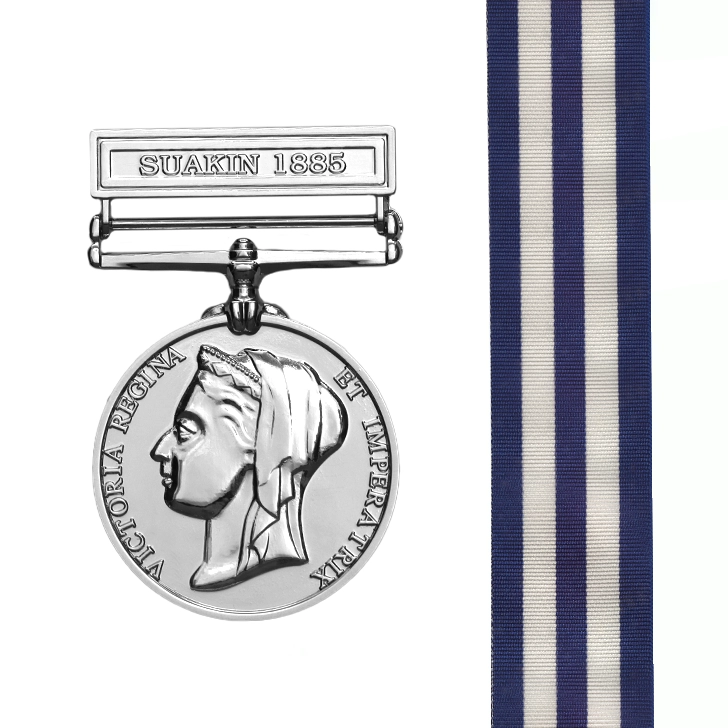
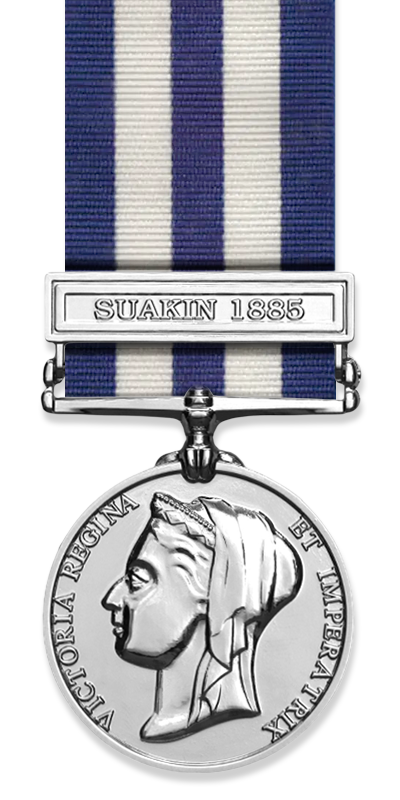
The medal is circular silver, 36 millimetres in diameter. The obverse bears the veiled head of Queen Victoria with the legend VICTORIA REGINA ET IMPERATRIX. The reverse shows the Sphinx on a pedestal with the word EGYPT above; medals for the 1882 campaign carry the date 1882 below the Sphinx, later awards being undated. The recipient's number, rank, name and regiment are engraved on the edge.
The ribbon
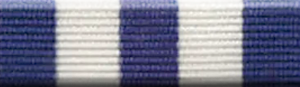
Three blue and two white stripes.
The ribbon is 32 millimetres wide, with three blue and two white stripes of equal width.
Clasps
Clasps name the battles and campaigns of the Egyptian and Sudan wars; a recipient wore a clasp for each qualifying action.
Eligibility
The medal was awarded for service in the Anglo-Egyptian War of 1882 and the Sudan campaigns of 1884 to 1889.
- Members of the British Army and Royal Navy qualified, together with the Egyptian Army in the later Sudan actions and the New South Wales Contingent to the Sudan in 1885;
- Thirteen clasps were awarded, two for 1882 and eleven for the Sudan; the medal without clasp was awarded for service that did not include a clasp action, including to seventeen nurses in 1882, the first British campaign medals to women;
- Every recipient was also entitled to the Khedive's Star. As an Imperial award it retains its place in the Australian Order of Wearing.
Order of wear
Imperial awards were the honours of Australia before the Australian honours system was established in 1975, and they retain their place in the Order of Wearing. They are worn after the Australian honours of their kind and among the Imperial awards in the order set by the Australian Order of Wearing, which follows the British order of precedence.
Frequently asked questions
What is the Egypt Medal awarded for?
Service in the 1882 Anglo-Egyptian War and the Sudan campaigns of 1884 to 1889, the wars that followed Britain's intervention to protect the Suez Canal.
What is its connection to Australia?
The New South Wales Contingent sent to the Sudan in 1885, the first military force despatched overseas by an Australian colony, received the Egypt Medal, most with the Suakin 1885 clasp.
Why are some dated and others not?
Medals for the 1882 campaign carry the date 1882 below the Sphinx; awards for the later Sudan service are undated, though earlier recipients could have clasps added to their dated medals.
What is the Khedive's Star?
A bronze companion star given by the ruler of Egypt to every recipient of the Egypt Medal, catalogued separately on this site.
Were nurses awarded it?
Yes; seventeen nurses received the medal without clasp for their service in 1882, among the first British campaign medals awarded to women.
Is it named to the recipient?
Yes, engraved on the edge with number, rank, name and regiment.