
History
The China War Medal 1900 was approved in 1901 for the British and Imperial land and sea forces who served during the Boxer Rebellion, the anti-foreign uprising in northern China that besieged the foreign legations in Peking. An eight-nation international force fought to relieve the siege and restore order between June and December 1900. The medal shares its reverse with the earlier China War Medals of 1842 and 1861, part of a continuous series of British China medals.
Its Australian significance is considerable: the medal was awarded to 555 personnel of the Australian colonial navies who served without a clasp, 256 with the New South Wales contingent, 197 with the Victorian, and 102 on the South Australian gunboat Protector, one of the last colonial military efforts before Federation. It was struck in silver for combatants and bronze for Indian support personnel. As an Imperial-era award it retains its place in the Australian Order of Wearing.
Design & ribbon
The medal
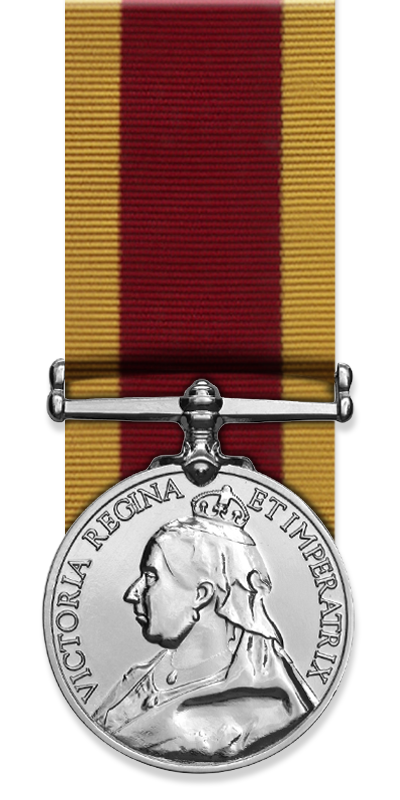
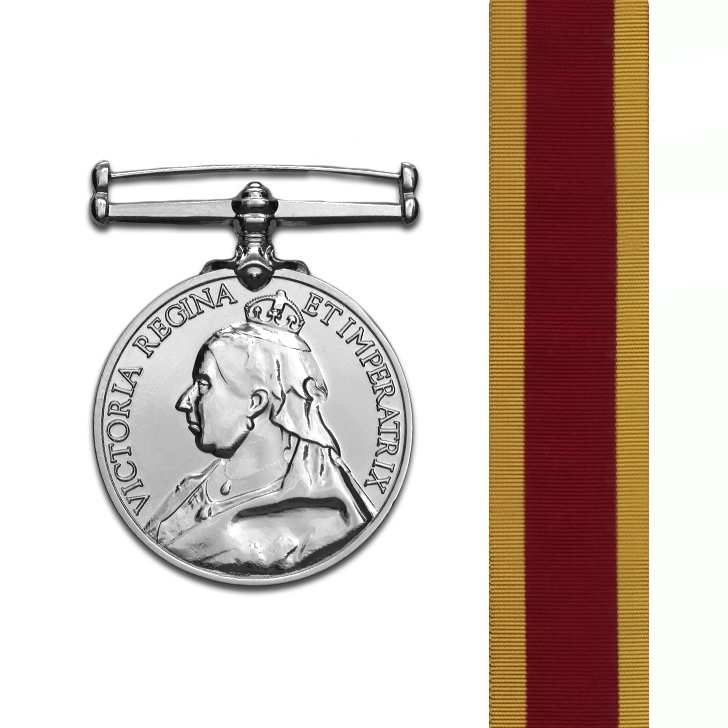
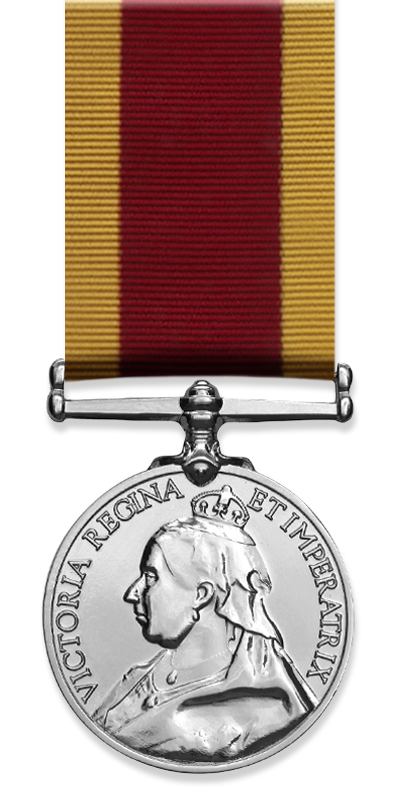
The medal is circular, 36 millimetres in diameter, struck in silver for combatants and bronze for Indian bearers, drivers and servants. The obverse shows the crowned and veiled effigy of Queen Victoria with the legend VICTORIA REGINA ET IMPERATRIX. The reverse bears a shield of the Royal Arms with a palm tree and trophy of arms and the inscription ARMIS EXPOSCERE PACEM, with CHINA 1900 in the exergue. The recipient's details are impressed or engraved on the edge.
The ribbon
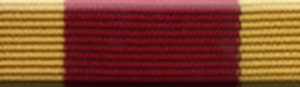
Crimson with wide yellow edges.
The ribbon is 32 millimetres wide, crimson with wide yellow edges, the crimson for Britain and the yellow for China, shared with the earlier China War Medals.
Clasps
Clasps mark the principal actions of the campaign; the medal was also issued without a clasp.
Eligibility
The medal was awarded for service in China during the Boxer Rebellion between 10 June and 31 December 1900.
- British, Indian and Imperial land and sea forces qualified, including 555 personnel of the Australian colonial navies who served without a clasp;
- Three clasps were awarded, Taku Forts, Defence of Legations and Relief of Pekin, the second being among the rarest of all British clasps; the medal was also issued without a clasp;
- As an Imperial-era award it retains its place in the Australian Order of Wearing.
Order of wear
Imperial awards were the honours of Australia before the Australian honours system was established in 1975, and they retain their place in the Order of Wearing. They are worn after the Australian honours of their kind and among the Imperial awards in the order set by the Australian Order of Wearing, which follows the British order of precedence.
Frequently asked questions
What is the China War Medal 1900 awarded for?
Service in China during the Boxer Rebellion between 10 June and 31 December 1900, when an international force relieved the besieged foreign legations in Peking.
What is its Australian connection?
The medal was awarded to 555 personnel of the Australian colonial navies: 256 with the New South Wales contingent, 197 with the Victorian, and 102 on the South Australian gunboat Protector, all without a clasp.
What are the clasps?
Taku Forts, Defence of Legations and Relief of Pekin; the Defence of Legations clasp, awarded only 132 times, is among the rarest of all British campaign clasps.
Why is it struck in two metals?
Silver for combatants and bronze for Indian bearers, drivers and servants, following the practice of Indian campaign medals of the era.
How does it relate to the earlier China medals?
It shares its reverse with the China War Medals of 1842 and 1861, part of a continuous series of British medals for the China wars, distinguished by the date in the exergue.
Is it named to the recipient?
Yes, impressed or engraved on the edge.