
History
The King's South Africa Medal was instituted in 1902, after the death of Queen Victoria, to recognise those who served through the long final phase of the South African War. It was never awarded alone: it was given only to recipients of the Queen's South Africa Medal who also completed eighteen months' service in South Africa and were still serving there on or after 1 January 1902. The two medals are worn together, the King's immediately after the Queen's.
It bears the effigy of King Edward VII and carries two dated clasps, South Africa 1901 and South Africa 1902, almost always awarded as a pair to those who qualified. Australians of the later Commonwealth contingents, who served into the war's final year, were among its recipients. As an Imperial-era award it retains its place in the Australian Order of Wearing.
Design & ribbon
The medal
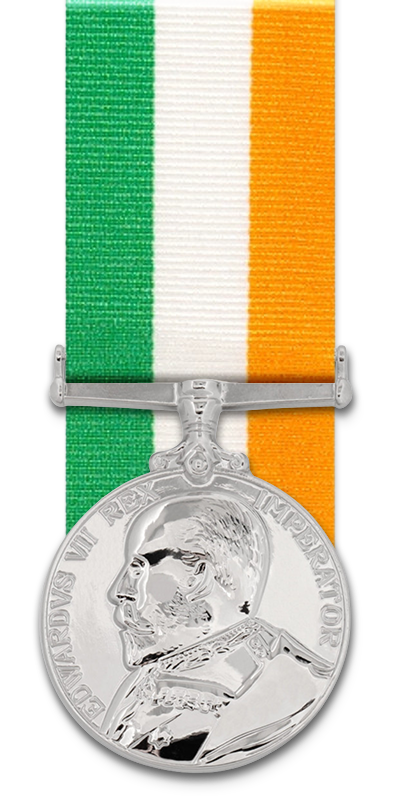
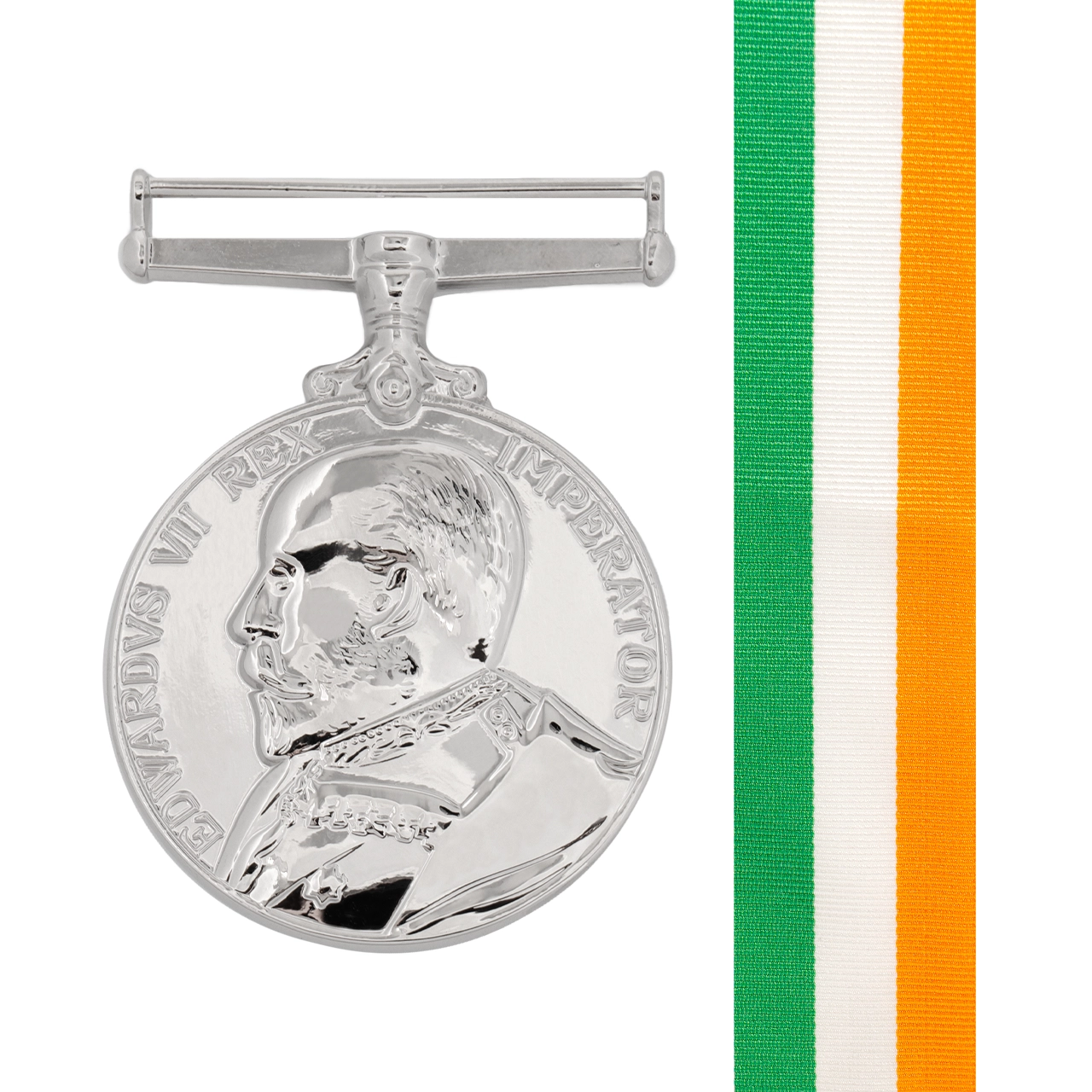
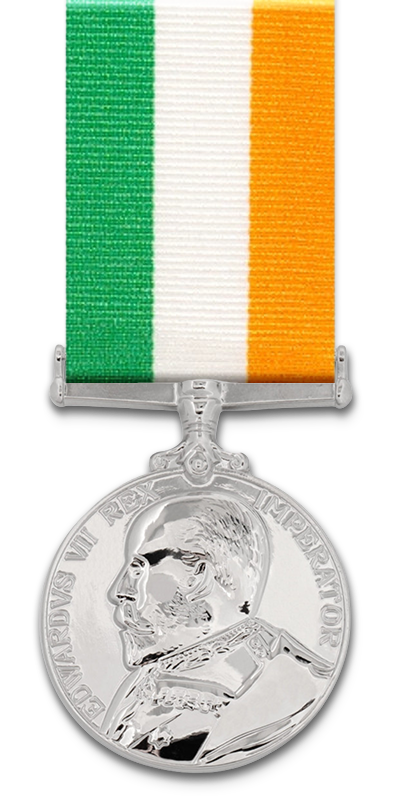
The medal is circular silver, 36 millimetres in diameter, identical in reverse to the Queen's South Africa Medal, showing Britannia and advancing troops with the words SOUTH AFRICA. The obverse bears the effigy of King Edward VII with the legend EDWARDVS VII REX IMPERATOR. The recipient's details are impressed on the rim.
The ribbon
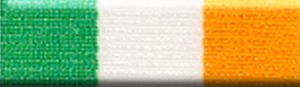
Green, white and orange in three stripes.
The ribbon has three equal stripes of green, white and orange, distinguishing it from the Queen's medal.
Clasps
Two dated clasps mark the final years of the war, almost always awarded together.

South Africa 1901
For service in South Africa between 1 January and 31 December 1901, during the later phases of the Boer War.

South Africa 1902
For service in South Africa between 1 January and 31 May 1902, during the final phase of the Boer War.
Eligibility
The medal was awarded to recipients of the Queen's South Africa Medal who served through the final phase of the war.
- It required prior award of the Queen's South Africa Medal, eighteen months' service in South Africa, and service there on or after 1 January 1902;
- Two clasps, South Africa 1901 and South Africa 1902, were awarded, almost always as a pair; the medal was never awarded alone;
- Australians of the later Commonwealth contingents were among the recipients. As an Imperial-era award it retains its place in the Australian Order of Wearing.
Order of wear
Imperial awards were the honours of Australia before the Australian honours system was established in 1975, and they retain their place in the Order of Wearing. They are worn after the Australian honours of their kind and among the Imperial awards in the order set by the Australian Order of Wearing, which follows the British order of precedence.
Frequently asked questions
What is the King's South Africa Medal awarded for?
Extended service in the South African War through its final phase: prior award of the Queen's medal, eighteen months' service, and service in South Africa on or after 1 January 1902.
Was it awarded alone?
No. It was always given with the Queen's South Africa Medal, worn immediately after it, and required that medal as a condition.
What clasps does it carry?
South Africa 1901 and South Africa 1902, two dated clasps almost always awarded as a pair.
How is it told apart from the Queen's medal?
By the obverse, which bears King Edward VII, and the ribbon of green, white and orange; the reverse is identical to the Queen's medal.
Did Australians receive it?
Yes, those of the later Commonwealth contingents who served into the final year of the war.
Is it named to the recipient?
Yes, impressed on the rim.