
History
The Natal Native Rebellion Medal was authorised by King Edward VII in 1907, to be issued by the government of the colony of Natal for service during the Zulu uprising of 1906. The revolt, led by Chief Bambatha kaMancinza, was provoked by a new colonial poll tax imposed on top of existing taxes, and was suppressed by colonial forces after months of guerrilla fighting, ending at the Mome Gorge. It was a colonial campaign medal of the pre-Union period in South Africa, issued by Natal rather than the imperial government directly.
The medal was awarded to those who served in the field for at least twenty days during the rebellion; those who served fifty days or longer also received the 1906 clasp. As a medal of the British Empire of its era, issued to colonial forces, it takes its place among the Imperial awards in the Australian Order of Wearing where held. Its recipients were overwhelmingly Natal colonial forces rather than Australians, and its presence on an Australian rack would reflect particular individual service.
Design & ribbon
The medal
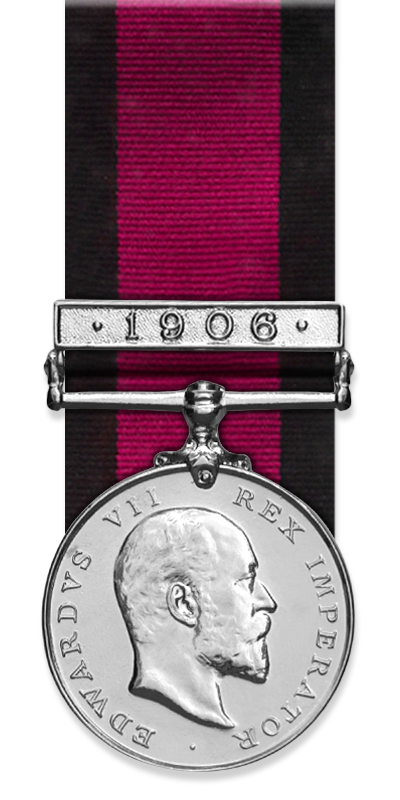
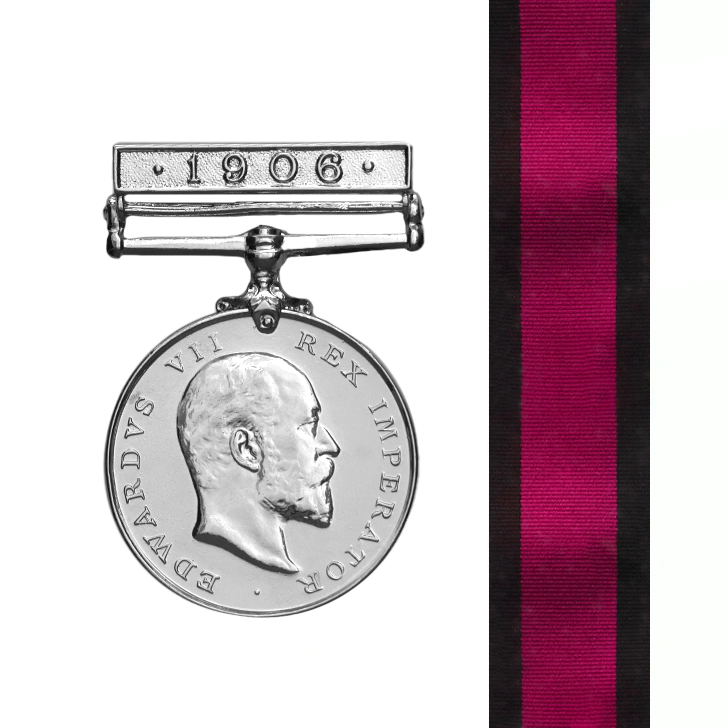
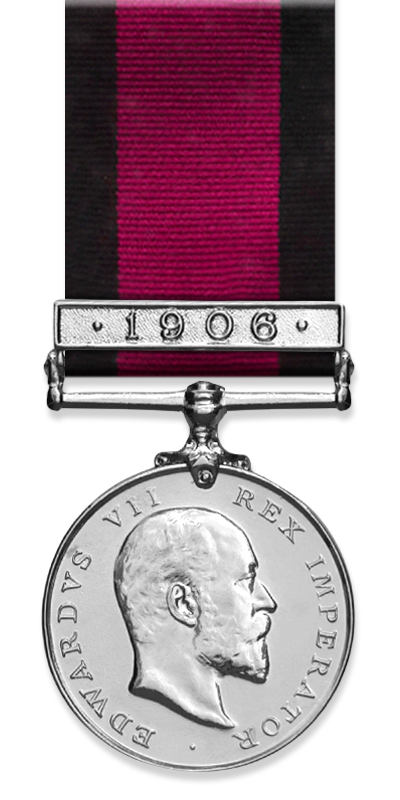
The medal is circular silver, its obverse bearing the crowned effigy of King Edward VII. The reverse depicts the figure of Natalia, the emblem of the colony, with a shield and assegais. The recipient's name and details are inscribed on the rim, impressed in block capitals for other ranks and engraved for officers.
The ribbon
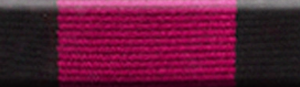
Crimson with black edges.
The ribbon is 32 millimetres wide, crimson with black edges.
Clasps
A single clasp marks the longer periods of service.
Eligibility
The medal was awarded for service in Natal during the rebellion of 1906.
- A soldier or policeman had to have served in the field for at least twenty days between 11 February and 3 August 1906;
- Those who served fifty days or longer also received the 1906 clasp; the medal without clasp was awarded for the shorter qualifying service;
- Issued to colonial forces of Natal, it takes its place among the Imperial-era awards in the Australian Order of Wearing where held.
Order of wear
Imperial awards were the honours of Australia before the Australian honours system was established in 1975, and they retain their place in the Order of Wearing. They are worn after the Australian honours of their kind and among the Imperial awards in the order set by the Australian Order of Wearing, which follows the British order of precedence.
Frequently asked questions
What is the Natal Native Rebellion Medal awarded for?
Service in Natal during the Zulu uprising of 1906, led by Chief Bambatha against a new colonial poll tax; a minimum of twenty days in the field between February and August 1906.
What is the 1906 clasp?
A clasp awarded to those who served fifty days or longer; the medal without clasp was awarded for the shorter qualifying period.
Who issued it?
The government of the colony of Natal, under authority of King Edward VII, in the pre-Union period of South Africa.
Did Australians receive it?
Its recipients were overwhelmingly Natal colonial forces; its presence on an Australian rack would reflect particular individual service rather than a formed Australian contingent.
What does the reverse show?
The figure of Natalia, the emblem of the colony of Natal, with a shield and assegais.
Is it named to the recipient?
Yes, on the rim, impressed for other ranks and engraved for officers.