
History
The Rhodesia Medal was instituted in 1980 for service with the Commonwealth Monitoring Force, the multinational body that supervised the ceasefire between Rhodesian forces and the guerrilla armies, and oversaw the elections that brought the country to independence as Zimbabwe. It marked the end of a long bush war and a rare Commonwealth peacekeeping mission on the eve of a new nation.
The medal was awarded for 14 days' service between 1 December 1979 and 20 March 1980. Australia contributed to the monitoring force, and Australians who served the qualifying period received the medal, worn among the Imperial awards. As an Imperial award it retains its place in the Australian Order of Wearing.
Design & ribbon
The medal
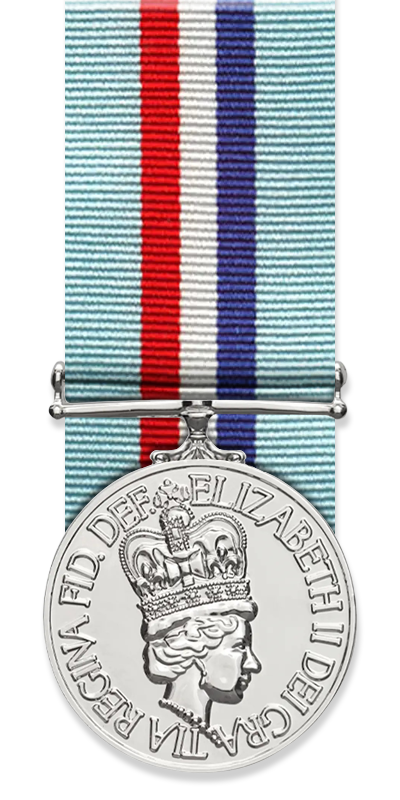
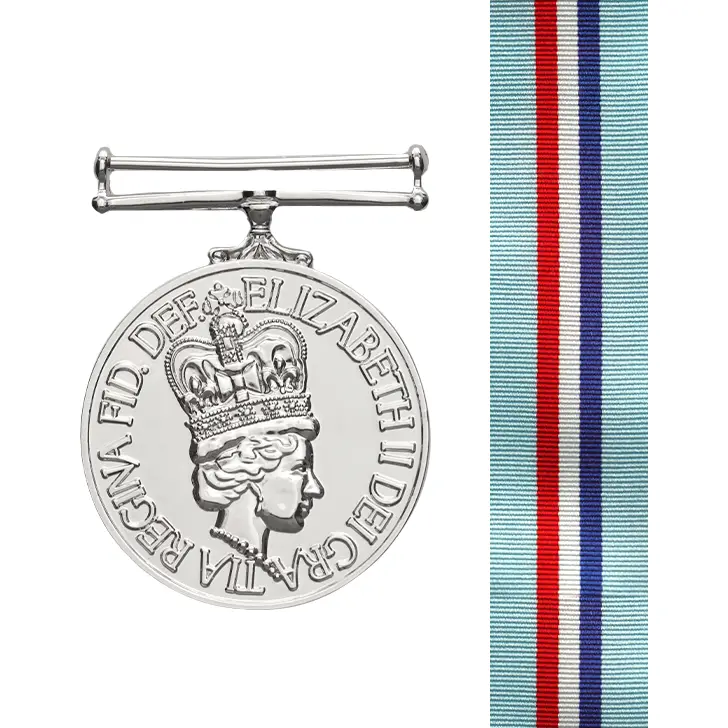
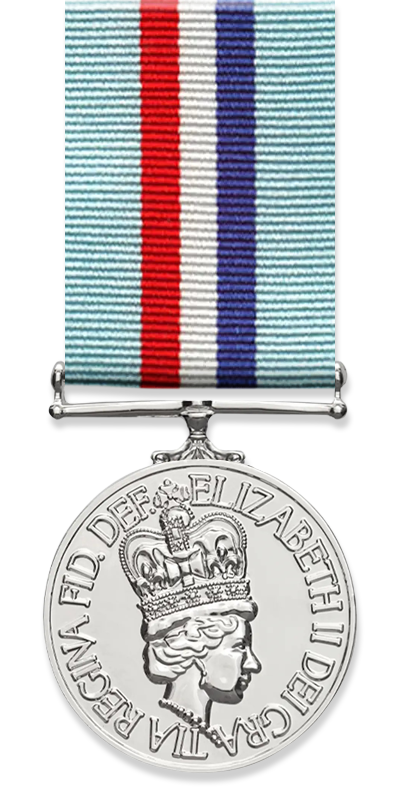
The medal is cupro-nickel, its obverse bearing the crowned effigy of Queen Elizabeth II, the reverse a sable antelope, the emblem of Rhodesia, with the inscription THE RHODESIA MEDAL. The recipient's details are impressed on the rim.
The ribbon
Sky blue with dark blue, white and red stripes.
The ribbon is sky blue with stripes of dark blue, white and red, drawn from the colours associated with the mission and its participants.
Eligibility
The medal was awarded for service with the Commonwealth Monitoring Force in Rhodesia.
- Fourteen days' service between 1 December 1979 and 20 March 1980 was required, overseeing the ceasefire and the independence elections;
- Australia contributed to the monitoring force, and qualifying Australians received the medal;
- No clasps were awarded. As an Imperial award it retains its place in the Australian Order of Wearing.
Order of wear
Imperial awards were the honours of Australia before the Australian honours system was established in 1975, and they retain their place in the Order of Wearing. They are worn after the Australian honours of their kind and among the Imperial awards in the order set by the Australian Order of Wearing, which follows the British order of precedence.
Frequently asked questions
What is the Rhodesia Medal awarded for?
Fourteen days' service with the Commonwealth Monitoring Force between 1 December 1979 and 20 March 1980, overseeing the ceasefire and the elections that brought Rhodesia to independence as Zimbabwe.
What was the Commonwealth Monitoring Force?
A multinational force, including Australians, that supervised the ceasefire between Rhodesian and guerrilla forces and monitored the transition to independence.
Why is it significant?
It marked the peaceful end of a long bush war and Rhodesia's transition to the new nation of Zimbabwe, a rare Commonwealth peacekeeping mission.
Did Australians receive it?
Yes, those who served the qualifying period with the monitoring force.
Is it named to the recipient?
Yes, impressed on the rim with the recipient's details.
Does it carry a post-nominal?
No; it is a campaign medal and carries no post-nominal.