
History
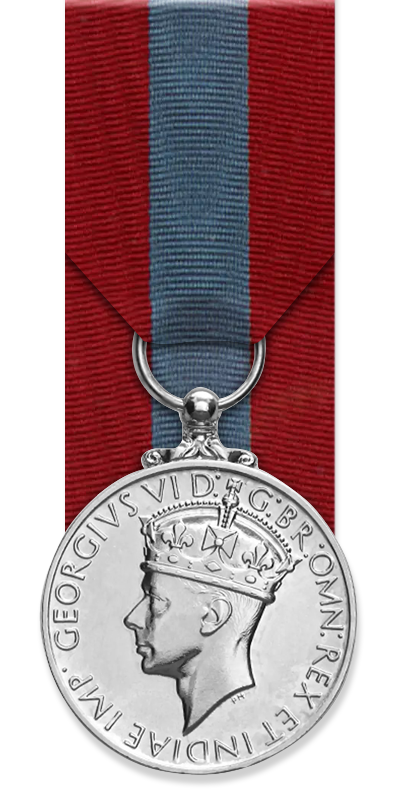
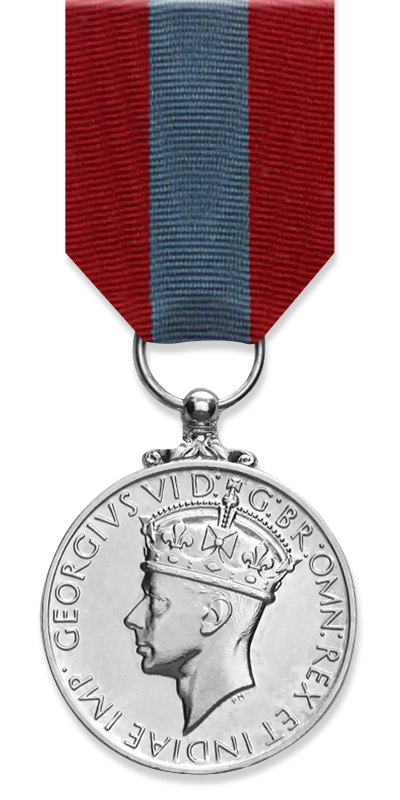
The Imperial Service Medal was established on 8 August 1902 by King Edward VII under the statutes of the Imperial Service Order, to reward the civil servants of the Crown, the manual and industrial grades above all, on their retirement after long and meritorious service. This is the issue of the reign of King George VI, from 1936 to 1952, carrying his crowned effigy. Australia was among the most active users of the medal across the Empire, and it recognises decades of service in the departments, dockyards, post offices and public works of the Commonwealth.
The qualifying period was at least 25 years of established service, reduced to 16 years in unhealthy climates abroad. The medal took its lasting circular silver form in 1920, and its reverse, a naked man resting from his labours before the setting sun with the words For Faithful Service, is among the most quietly beautiful in the whole honours system. As an Imperial award it retains its place in the Australian Order of Wearing.
Design & ribbon
The medal
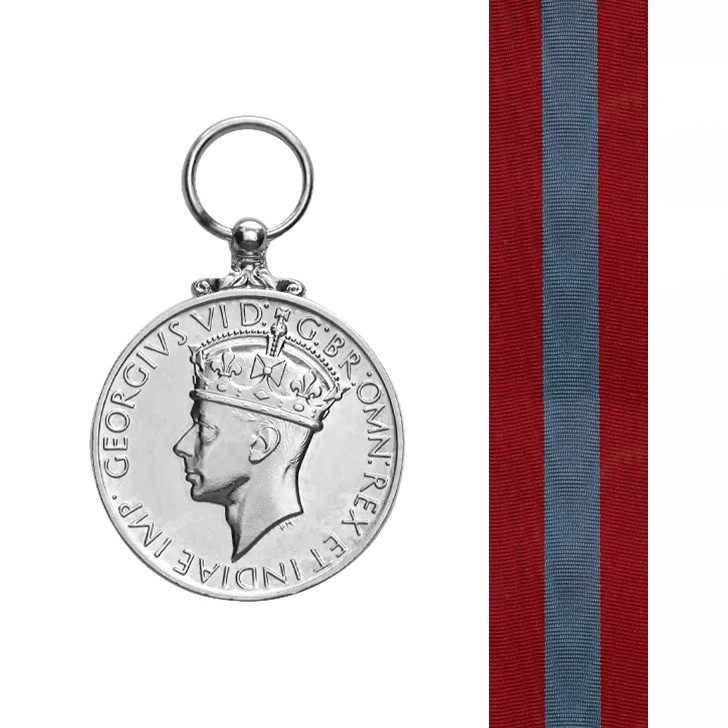
The medal is a circular silver medal, 32 millimetres in diameter, its obverse bearing the crowned effigy of King George VI. The reverse shows a naked man resting from his labours, gazing across the sea to the setting sun, with the inscription FOR FAITHFUL SERVICE. The recipient's name is impressed on the rim.
The ribbon
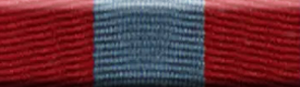
Red with a central light blue stripe.
The ribbon is red with a central light blue stripe.
Eligibility
The medal was awarded to civil servants of the Crown on their retirement after long and meritorious service.
- At least 25 years of established service was required, reduced to 16 years in unhealthy climates abroad; the medal went chiefly to the manual and industrial grades of the public service;
- It carries no post-nominal letters and no clasps; each reign is marked by the sovereign's effigy on the obverse;
- As an Imperial award it retains its place in the Australian Order of Wearing.
Order of wear
Imperial awards were the honours of Australia before the Australian honours system was established in 1975, and they retain their place in the Order of Wearing. They are worn after the Australian honours of their kind and among the Imperial awards in the order set by the Australian Order of Wearing, which follows the British order of precedence.
Frequently asked questions
What is the Imperial Service Medal awarded for?
Long and meritorious service by civil servants of the Crown, presented on retirement after at least 25 years' established service, chiefly to the manual and industrial grades.
What makes this the George VI issue?
The crowned effigy of King George VI on the obverse, current through his reign from 1936 to 1952.
What does the reverse show?
A naked man resting from his labours before the setting sun, with the words For Faithful Service, symbolising rest after a working life.
Did many Australians receive it?
Yes. Australia was among the most active users of the medal across the Empire, awarding it widely to long-serving public servants.
Does it carry a post-nominal?
No. Recipients of the Imperial Service Medal are not entitled to any post-nominal letters, unlike holders of the associated Imperial Service Order.
Is it named to the recipient?
Yes, impressed on the rim with the recipient's name.